Understanding Sleep Ergonomics: How Bed Type Impacts Posture and Comfort
An editorial exploration of how the architecture of a bed shapes spinal alignment, pressure relief, and the quiet rituals of a good night’s sleep. From platform and slatted foundations to adjustable and modular systems, this guide helps readers navigate the practical and humane questions at the intersection of design, science, and daily life.
Design is never merely about form; it is a negotiation with our bodies. The bed, as the site of our most intimate routines, translates posture into habit. In sleep ergonomics, the primary language is support: how a surface holds the spine in neutral alignment, how weight is distributed across pressure points, and how comfortable feedback loops—temperature, moisture, and motion—develop through the night. To understand why bed type matters is to begin a conversation about wakefulness, vitality, and the subtle drama of morning alignment.
This article expands on the themes of bed types, ergonomic principles, and practical guidance for readers seeking clearer criteria when choosing a bed. We’ll compare platform, slatted, adjustable, and modular beds through the lens of posture, comfort, and room realities. Along the way, we’ll anchor the discussion with profiles of three notable figures whose work intersects design, medicine, and cultural life across different eras.
Bed-Type Snapshots: How They Speak to the Body
Platform Beds
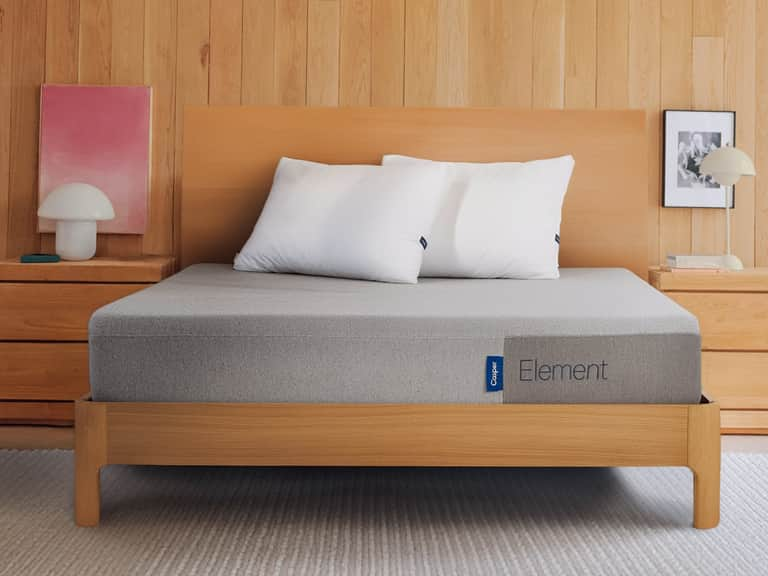
Platform beds offer a low-profile, solid surface that can translate into clean, uninterrupted contact with the body. The absence of a visual frame can reduce perceived clutter, while the plateau-like platform can influence how the hips and shoulders align with the spine. For many, the solid surface supports a neutral lumbar curve, especially when paired with a well-chosen mattress.
Best for: sleepers who prefer a minimalist aesthetic, and those who benefit from a stable, even plane for mattress comfort.
Slatted Foundations
A classic approach that introduces flexibility through individual slats. The give and resilience of a slatted base modulate how the mattress behaves under weight, which can affect pressure distribution along the sacroiliac joints and lumbar region. Proper slat spacing and support can optimize spinal alignment for many body types and sleep positions.
Best for: those who want a breathable, adaptable platform with a traditional feel.
Adjustable Beds
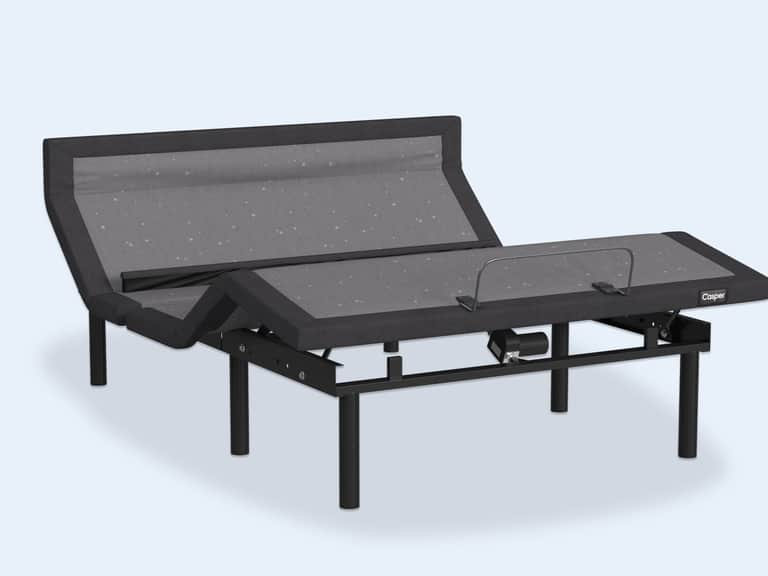
Adjustable bases represent a shift from passive to active ergonomics. The ability to raise the head or feet can realign the spine in various positions, relieve pressure points, and support healthier breathing patterns. The latest models marry motorized articulation with features like lumbar support zones and gentle massagers, translating micro-adjustments into macro-tilt relief.
Best for: readers who seek personalized postural control, sleep apnea relief, or recovery-friendly configurations.
Modular and Flexible Systems
Modular beds and modular frame systems promise adaptability for changing rooms, family needs, or travel g-maps of space. They invite a design language that respects both form and function—allowing you to reconfigure sleep architecture as life shifts, from nursery to teenager’s room to guest suite, without sacrificing ergonomic intent.
Best for: urban dwellers, multi-use spaces, and anyone who relishes a future-proof bed setup.
Practical Starter Tips for Choosing a Bed
- Assess your sleeping position first: back sleepers benefit from neutral spine support, side sleepers often require a pillow-top balance to keep shoulders aligned with hips, and stomach sleepers may need firmer support to prevent hyperextension.
- Match mattress type to bed type: even with the bed frame, the mattress is a primary determinant of comfort. A high-quality foam or hybrid mattress may behave differently on a platform versus a slatted base.
- Consider room constraints: room height, doorway width, and corner access affect how easily you can bring a bed into place and how easy it is to adjust or reconfigure later.
- Check compatibility with accessories: blankets, sheets, and protectors should align with your base type to avoid slipping, overheating, or moisture buildup.
- Think long-term ergonomics: the bed is not a one-season purchase. Prioritize stability, breathability, and a surface that supports consistent posture across years of use.
Ergonomics Starter Checklist
Spine Alignment
The natural S-curve should be maintained with shoulders and pelvis properly supported. A too-soft mattress can cause sagging, while too-firm surfaces may create pressure points at the hips and shoulders.
Pressure Distribution
Even load distribution reduces painful hotspots. If you wake with numb limbs or a stiff back, assess whether the bed type or mattress is contributing to localized pressure.
Motion Isolation
Especially in shared beds, consider how movement translates across the surface. Adjustable bases with independent sides can minimize partner disturbance while preserving ergonomic goals.
Breathability
Open-cell foams and breathable covers help regulate temperature. Layering breathable sheets with the right protector can extend comfort through the night.
Three Key Figures Across Time
Leonardo da Vinci (1452–1519)
Leonardo’s notebooks reveal a relentless curiosity about human anatomy and biomechanics. While not a bed designer, his insistence on understanding the body’s proportions and mechanics laid groundwork for later ergonomic thinking. His penchant for observing how the body distributes weight and absorbs force would echo in modern understandings of pressure relief and postural support.
Florence Nightingale (1820–1910)
Nightgale’s advocacy for patient comfort and hygiene transformed hospital care, foregrounding how environment shapes well-being. In sleep ergonomics, her legacy appears in the insistence that proper support, clean surfaces, and humane routines contribute to resilience and recovery even within intimate spaces like the bedroom.
Nellie Bly (1864–1922)
As a journalist who championed experimentation and exploration of social structures, Bly’s spirit of investigation invites us to test assumptions about how sleep space is used. In the realm of bed ergonomics, her legacy is a reminder to question norms and to seek evidence-based designs that suit diverse bodies and lifestyles.
Product Spotlight: A Practical Upgrade
Casper Adjustable Base Max
The Adjustable Base Max embodies a responsive, customizable approach to sleep ergonomics. It offers unlimited head and foot adjustments with Pillow Tilt, lumbar support, and a 3-level massage. Adaptive lighting and USB ports provide a modern, user-centric experience. This base is designed to drop into existing frames or stand alone, with a split configuration for independent control on each side, delivering a refined, partner-aware comfort.
Price: 2150.00 USD
Vispring Devonshire
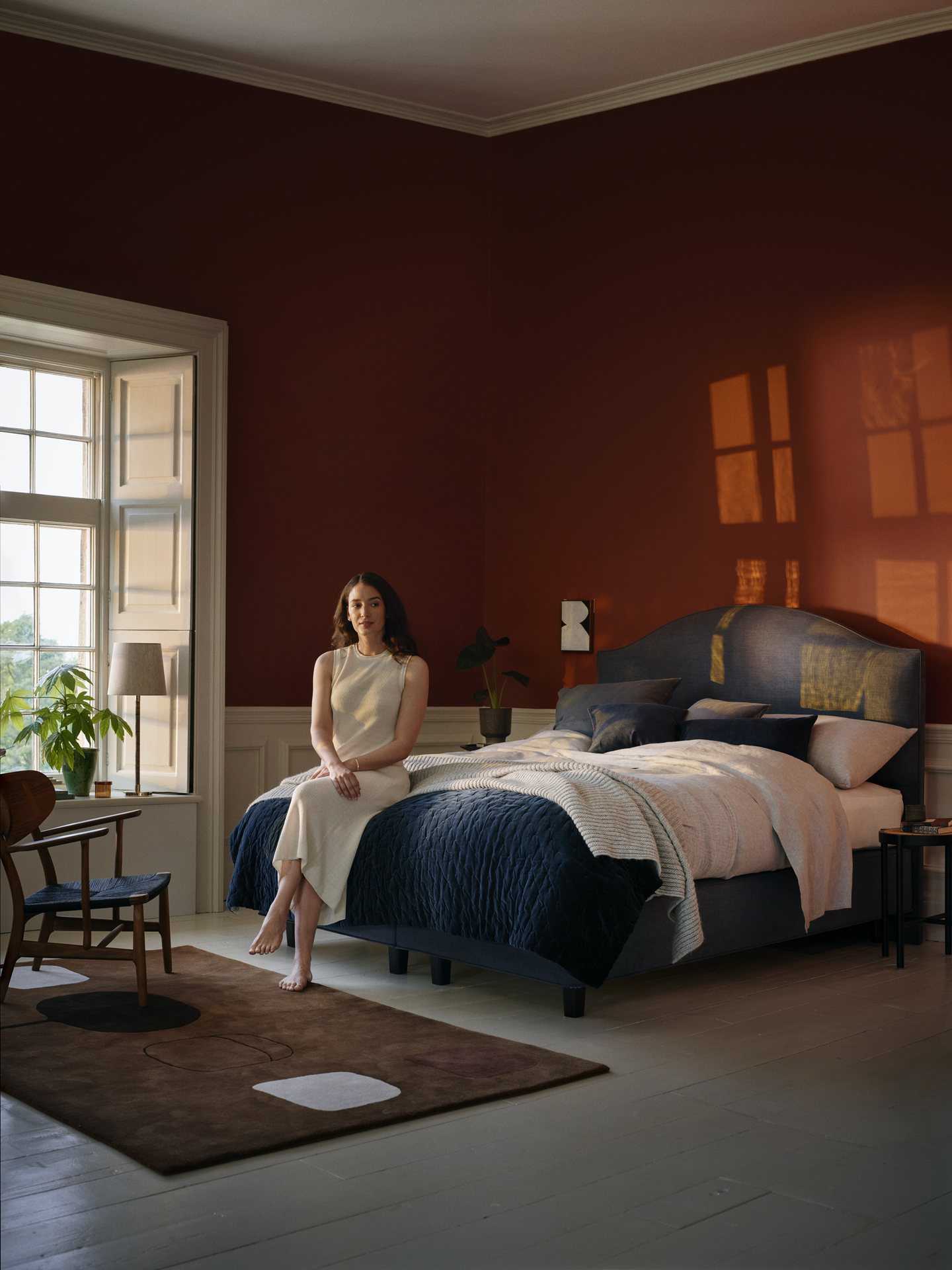
An exemplar of craftsmanship, the Devonshire uses layered British wool to manage temperature and comfort. Its coil system—1,716 hand-nested Vanadium steel coils—offers independent weight response, with multiple tension options to tailor the feel for different sleepers. The tactile luxury of wool-ticking and meticulous tufting marks a design philosophy that prioritizes both support and serenity.
Price: 4300.00 USD
Glossary and Quick Reference
Bed ergonomics brings together terms from anatomy, materials science, and interior design. A few essential definitions help readers navigate future purchases:
the neutral curvature of the spine maintained by the combination of mattress, foundation, and position. the dispersion of bodyweight to prevent concentrated loading on sensitive areas such as shoulders, hips, and heels. - Breathability: the ability of materials to permit air movement, reducing heat and moisture buildup during sleep.
- Modular system: furniture designed to be reconfigured or expanded to suit changing space and needs.
Conclusion: Sleep as an Ergonomic Practice
Understanding sleep ergonomics is not an indulgence but a practical act of care. The bed is a framework for habit formation, a place where the day ends and the next one begins. By aligning bed type with sleep style, you cultivate a posture that sustains energy, eases pain, and clarifies mornings. In FlexBeds UK’s envisioned informational hub, we invite curious readers to test ideas, compare options, and pilot their own sleep experiments—guided by evidence, curiosity, and a reverence for the quiet discipline of a well-made bed.
Published date: September 27, 2026. This article is part of an ongoing exploration of beds, sleep science, and home ergonomics as a living practice.