Organic Mattresses · A Practical Guide
Naturepedic Organic Mattresses: Materials, Certifications and Care
The word organic on a mattress label can seem to promise a whole philosophy of sleep. In practice, it is a claim about particular materials, made under particular standards, and one that deserves a closer look. Understanding the layers, the paperwork and the care instructions can make it easier to judge whether a Naturepedic mattress suits your home—and your idea of a comfortable night.
A mattress is a quiet piece of engineering. It must support weight, yield at the shoulders and hips, hold its shape, and somehow remain comfortable through the fluctuations of a night: one sleeper warm, another cool; a still body, then a turning one. Organic mattress shopping adds another set of questions. What does the mattress contain? Which parts are certified? What does a certification actually verify? And, after it arrives, how should it be cared for?
Naturepedic is a brand associated with organic mattresses and bedding, but a brand name alone does not tell you the precise composition or certification status of every model. Product ranges change; constructions vary; standards apply to specific materials and finished products in different ways. The useful habit is to read the documentation for the exact mattress under consideration, rather than treating “organic” as a single, all-purpose guarantee.
This guide offers a way to do that. It explains the materials commonly considered in organic mattress construction, how to interpret certifications, and how firmness, sleep position and temperature preferences enter the decision. It also covers the unglamorous but consequential subject of care: the habits that help a mattress last, and the shortcuts that may not.
What “organic mattress” can—and cannot—mean
Organic is not a synonym for natural, chemical-free, harmless or universally better. It is a term tied to defined production and certification rules. In bedding, it most often refers to agricultural fibres such as cotton or wool, and to the way those fibres were grown, processed or handled. A mattress may contain certified organic cotton in its cover, for example, without every component inside it being organic.
That distinction matters because a mattress is a layered object. Its cover, quilting, comfort layer, support core, fire barrier, thread and adhesives may all have different materials and suppliers. A product can make a meaningful organic claim about one component while containing other materials that are not certified organic. This is not automatically a flaw; it is a reason to ask what the claim covers.
When reviewing a Naturepedic model, look for a material breakdown that identifies each layer and its function. A clear description should distinguish the outer fabric from the interior fill and support system, and should name materials rather than relying on phrases such as “eco-conscious” or “clean.” If a component is described as organic, check whether the documentation identifies the relevant certification and scope.
It is also worth separating preference from proof. Some shoppers seek organic fibres because of farming practices, traceability or the feel of natural materials. Others are chiefly concerned with odour, sensitivity or durability. Those interests may overlap, but an organic designation does not, by itself, establish how a particular sleeper will feel on the mattress, nor does it guarantee that a product will resolve a health concern.
Materials: the mattress, layer by layer
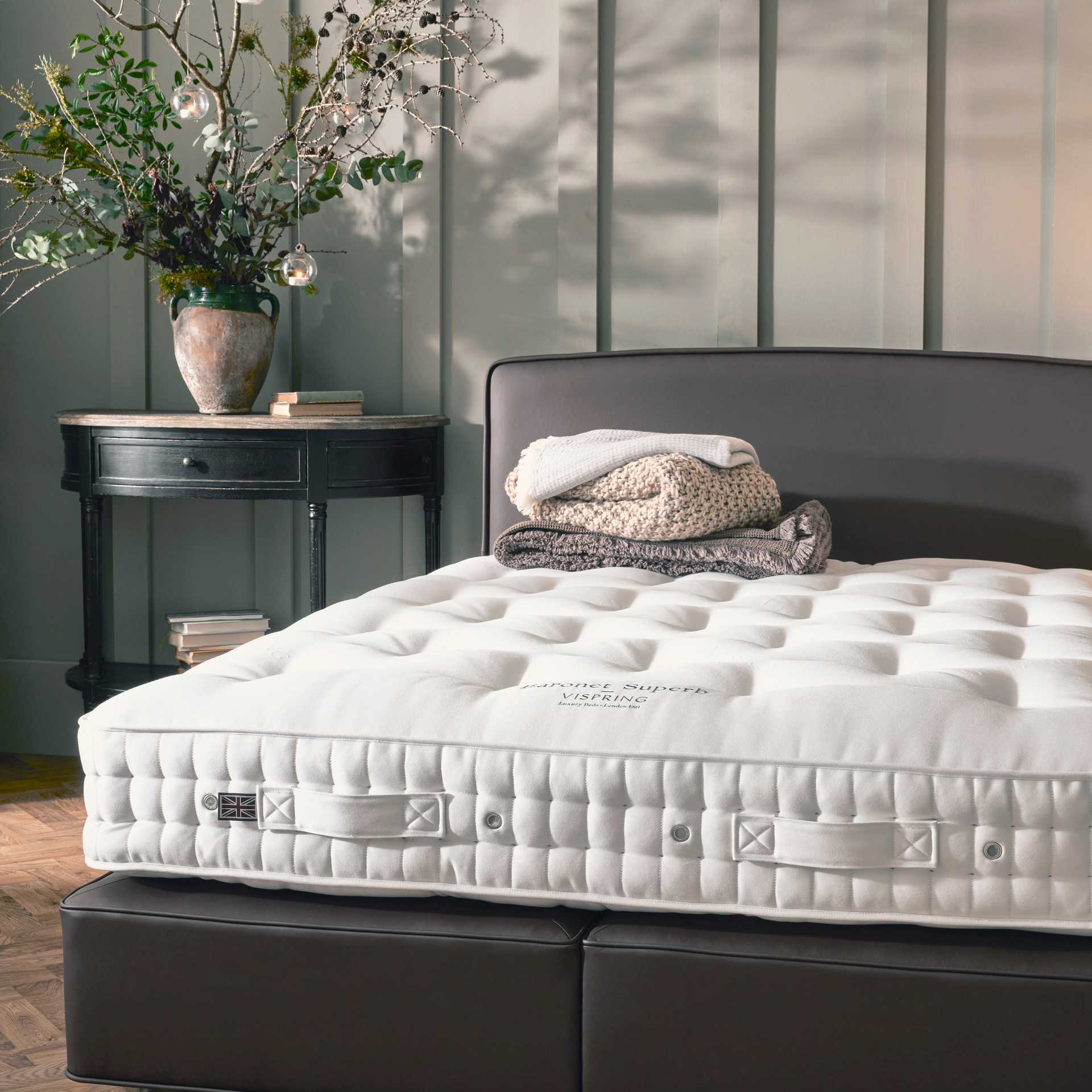
Cover fabrics. Cotton is often used at the surface because it is familiar, breathable and comfortable against the skin. A certified organic cotton claim concerns the cotton covered by the certification; it does not automatically extend to every part of the mattress. The weave, quilting and any blended fibres also influence the finished feel. Check whether the cover is removable and washable before assuming that it is.
Wool and other natural fibres. Wool may appear in quilting or as part of a fire-barrier system. It can contribute loft and moisture management, though its role and quantity vary by construction. “Natural” describes an origin, not a complete standard for animal welfare, processing or performance. If those details are important, seek specific information rather than inferring it from the material name.
Latex. Latex can provide a buoyant, responsive feel. It is commonly made from natural rubber, synthetic rubber or a blend; the word alone does not identify which. Ask whether the latex is natural, how it is processed, and whether any certification applies to the material or the finished mattress. People with a latex allergy should discuss the issue with a clinician and the manufacturer, rather than relying on a general product description to settle an individual safety question.
Foam and support systems. Some mattresses use foam, coils, or a combination. These components shape pressure relief, responsiveness, motion transfer and edge support. A material’s presence does not tell you how the mattress will perform: thickness, density, geometry and the relationship between layers all matter. If a product description names a proprietary foam or support component, look for a fuller explanation of what it is and what standards, if any, apply.
Fire barriers and other components. Mattresses must meet applicable flammability requirements, but manufacturers can use different approaches to do so. A fire barrier may be made from a textile, a fibre blend or another material. Since this layer is sometimes overlooked in marketing summaries, include it in your review of the construction. Also check for information about adhesives and finishes if you are comparing products on those grounds.
A quick materials checklist
- Identify the cover, comfort layers, support core and fire barrier.
- Note which fibres or materials are described as organic, natural, recycled or blended.
- Ask whether a stated certification applies to a raw material, a component or the complete mattress.
- Check whether the cover is removable, and read its care instructions before purchase.
- Keep the product specification and certification details for the exact model and size.
Certifications: useful evidence, not magic words
Certifications can help turn broad marketing language into claims that can be checked. Their value depends on who operates the programme, what it tests or audits, and which parts of the product it covers. A familiar label may refer to fibre content, chemical emissions, manufacturing practices or a particular material. These are different questions, and one certificate should not be assumed to answer all of them.
For organic fibres, look for the standard named in the manufacturer’s current documentation and confirm whether it covers the finished product or only specified inputs. Some programmes trace organic material through stages of processing; others have narrower scopes. A certificate for cotton does not automatically certify the latex, foam, adhesives or mattress as a whole. The certificate number, scope statement or product listing can help clarify the difference.
Other certifications may address emissions or chemical-content criteria rather than organic farming. Those can be relevant, but they answer a separate question. A low-emissions certification, for instance, should not be presented as proof that every ingredient is organic. Likewise, an organic-fibre certification does not necessarily establish that a mattress has been evaluated for every substance a consumer might be concerned about.
When evaluating a Naturepedic product, use the brand’s current model-specific materials page, label and certification records. If the information is unclear, ask the company which certification applies to the mattress you are considering, what components it covers and whether the certificate is current. Retailer summaries can be helpful introductions, but they may omit qualifications or refer to an earlier version of a product.
There is a pleasingly unromantic discipline to this process: read the nouns, not just the adjectives. “Certified organic cotton cover” is more precise than “organic mattress.” “Tested to a named emissions standard” says something different from “non-toxic.” The more specific the claim, the easier it is to verify—and the less you have to rely on atmosphere.
Comfort is personal, and construction is only half the story
A mattress can be made with carefully selected materials and still feel wrong to the person lying on it. Comfort depends on body shape, weight distribution, sleep position, temperature, movement and personal preference. It also depends on the bed base and, sometimes, on the pillow. “Firmness” is not a universal measurement shared consistently across every manufacturer, so treat labels such as plush, medium and firm as useful starting points, not verdicts.
Side sleepers often need enough cushioning at the shoulder and hip to limit pressure, while still receiving support through the torso. If the surface feels too firm, those points may feel compressed; if it is too soft, the body may sink more than feels comfortable. A trial period can reveal how a mattress performs across several nights, though it cannot guarantee that every sleeper will adapt.
Back sleepers may prefer a balance that supports the lower back without feeling rigid. Consider whether the surface allows the hips to settle comfortably while the rest of the body remains supported. If you wake with new or persistent discomfort, do not assume the mattress is the sole cause; pain has many possible sources, and medical advice may be appropriate.
Stomach sleepers often prefer a surface that limits excessive sinking around the hips. The right feel depends on build and posture, and some people find that a different sleep position is more comfortable. A mattress guide can offer general considerations, but it cannot diagnose discomfort or prescribe a sleeping arrangement.
Couples have an additional negotiation: motion transfer, different firmness preferences, body weights and temperature needs. If a model offers split comfort options or different configurations, confirm exactly what is available for the size you need. For all sleepers, check the mattress dimensions, its compatibility with the intended foundation and the terms of any home trial, return or warranty policy.
Temperature, airflow and the feel of the bed
People often describe themselves as hot sleepers, but nighttime warmth is shaped by more than the mattress. Room temperature, bedding, sleepwear, humidity and individual physiology all play a part. Material claims such as “breathable” or “temperature regulating” can be useful clues, but they do not guarantee a cool night for every person.
Natural fibres may absorb and release moisture differently from some synthetic textiles, while mattress construction can affect airflow through the layers. Yet the cover is only one part of the sleep environment. A thick protector, dense duvet or close-fitting sheet can change the surface feel and heat retention. If temperature is a concern, evaluate the mattress together with the bedding you actually plan to use.
Before buying, check whether the trial allows enough time to assess ordinary comfort, and whether the mattress needs to be used with a particular base. If possible, test the feel in person; a brief showroom visit is not equivalent to sleeping on it, but it can help rule out obvious mismatches. A cooling claim should be understood as a design intention unless the manufacturer provides clear, relevant test information.
Care: a modest routine with lasting consequences
Mattress care begins before the first night. Read the manufacturer’s instructions, including guidance on setup, ventilation, foundation requirements and rotation. Some mattresses are designed to be used one way up; others may permit rotation. Do not flip or rotate by assumption. The correct approach is model-specific, and the warranty may depend on following it.
A well-fitting mattress protector is one of the simplest ways to guard against spills, perspiration and ordinary wear. Choose one that fits the mattress depth and does not bunch beneath the sheet. A protector can also alter the surface feel or airflow, so consider its construction rather than treating it as an invisible layer. Wash it according to its own label and make sure it is fully dry before replacing it.
For routine cleaning, follow the mattress maker’s instructions. In general, avoid saturating the mattress: moisture that remains trapped inside can be difficult to remove. If a spill occurs, blot rather than rub, and use only methods approved for that product. Strong solvents, bleach, steam cleaning or aggressive scrubbing may damage textiles or internal materials. Let the surface dry completely before remaking the bed.
Keep the room reasonably ventilated, and avoid placing a mattress directly on a floor unless the manufacturer permits it. A suitable base supports the mattress and allows the intended airflow. Check the frame periodically for loose slats, damaged components or inadequate central support, particularly for larger sizes. A sagging foundation can make a mattress feel like a different product and may complicate a warranty claim.
Finally, keep the receipt, model name, care sheet and warranty details together. Mattress warranties usually address defined defects and conditions; they are not the same as a comfort guarantee. If a problem arises, photographs, purchase records and a clear account of the foundation used can make the conversation more straightforward.
A considered way to compare Naturepedic options
The best comparison starts with the exact models, not with a general impression of the brand. Set out the construction, feel, certification claims, size, price and care requirements side by side. Then ask which differences matter in daily use. A certification may be central to one household and less important to another; a particular firmness or washable component may be the deciding factor for someone else.
- Materials: Are the layers identified clearly, including the cover, comfort materials and support core?
- Certification: Is the standard named, current and relevant to the specific component or product?
- Comfort: Does the feel suit your sleep position, pressure needs and preferred level of firmness?
- Practicality: Does it fit your bed base, room dimensions and routine? Can it be moved or maintained easily?
- Protection: What cover or protector is recommended, and how might it affect feel or temperature?
- Policies: What do the trial, delivery, return and warranty terms actually require?
It may help to keep a short list of non-negotiables and preferences. A non-negotiable might be a particular certified fibre or a compatible size. A preference might be a softer surface or a certain type of support. This small act of sorting can make comparison less vulnerable to the polished language of product pages, which often gives every feature the same warm glow.
The sensible conclusion
Naturepedic organic mattresses can be evaluated the way any substantial household purchase should be: by looking closely at what is inside, what the documentation verifies, and how the construction meets the needs of the person who will sleep on it. Organic materials and certifications may offer meaningful information, but their meaning depends on scope. Comfort depends on the sleeper. Longevity depends on use, support and care.
Read the model-specific details; distinguish organic claims from emissions or other standards; and resist treating a single label as a summary of the whole mattress. Then consider the practical questions—firmness, sleeping position, heat, foundation, protector and cleaning instructions—that determine whether a mattress works in an actual bedroom rather than an idealised one.
The result need not be a perfect theory of sleep. It should be a decision made with clear eyes: one that balances the materials you value with the comfort you can live with, and that leaves the mattress with a sensible chance of serving you well for years.